
Cracks in the Machine: Leaks, Codenames, and the Quiet Panic Inside Mamdani's NYPD Shake-Up
Inside the leaks, internal codenames and policy tensions surrounding Mayor Zohran Mamdani's sweeping review of NYPD use-of-force rules.
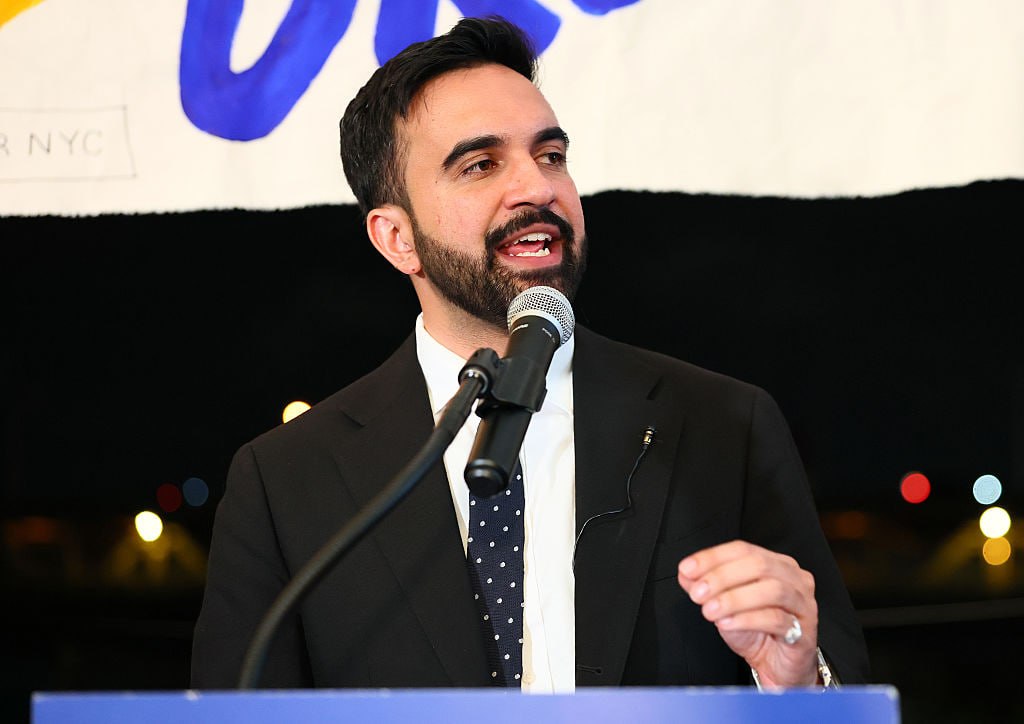
When Mayor Zohran Mamdani stood before the cameras on October 12 and ordered the first comprehensive review of NYPD use-of-force policy in a decade, the official story was tidy: a mayor keeping a campaign promise, a commissioner nodding along, reforms announced with press-release precision and a press conference staged for maximum optics.
The unofficial story is messier.
Over the past several days, a steady drip of internal detail has been escaping from City Hall and One Police Plaza — some of it authorized, most of it not. Sources familiar with the rollout describe a special operation that has generated more friction, more leaks, and more unwanted detail than the administration bargained for. And at the center of the chatter sits a small set of internal codenames that have quietly become the obsession of the city's political class.
The Review Itself
The facts on the ground are real enough. Mamdani directed the NYPD to conduct a sweeping review of how officers use force against civilians — the first such audit since roughly 2016, and the first meaningful attempt to rewrite the department's force doctrine in a generation. The trigger, per reporting, traces back to the May 2026 retirement of an officer involved in the 2024 shooting of 19-year-old Win Rozario — a retirement that landed before any disciplinary trial could ever happen.
That timing is the kind of thing that makes reformers' blood pressure spike. You cannot discipline a cop who has already walked out the door, and the Rozario case became a tidy emblem of everything wrong with the department's accountability machinery: a death, a delayed process, and a quiet exit that foreclosed the reckoning. Mamdani, ten months into his tenure, has made conspicuously few sweeping NYPD changes despite a base of democratic socialists who expected exactly that. The review, in that light, reads less like a first step and more like a pressure valve.
The Leaks
Here is where the story gets its teeth.
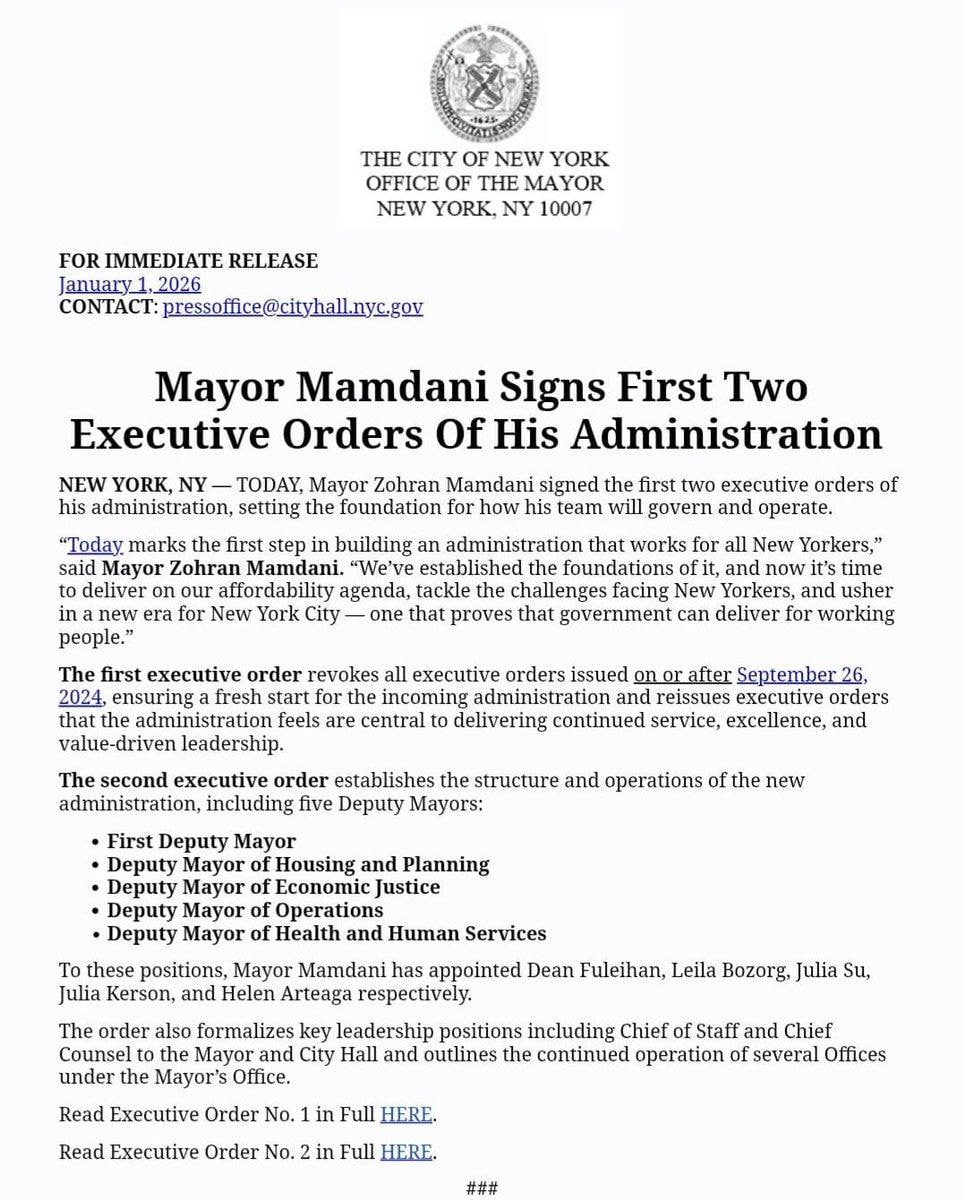
The Mamdani administration ran on a "culture of transparency" pledge, the sort of line that sounds unimpeachable on a primary debate stage and becomes a liability the moment you actually govern. The Manhattan Institute, not exactly a friendly shop, found that 220 of 248 Freedom of Information Law requests to the Mayor's Office during his first seven months — 89% — got the six-month runaround. Even Politico, no stranger to bureaucratic stonewalling, needed a grinding FOIL fight just to see the mayor's schedule. For a man who campaigned against the opaque Bloomberg and Adams eras, the optics are awkward at best.
So when internal details about the use-of-force review started slipping out — draft language, timeline disputes, the rumored scope of what the review will not touch — it landed differently. This wasn't the polished disclosure of a comms shop. This was the machine breathing on its own.
Among the unwanted details reportedly floating through the building: that the review explicitly steers clear of several signature Mamdani campaign promises, including disbanding the NYPD's Strategic Response Group and eliminating the department's gang database. Both were rallying cries during the campaign. Both now appear to be parked, at least until the review concludes — which, per the leaked timelines, is not soon. For a mayor whose supporters once heard him call the NYPD "wicked & corrupt" and cheer "Defund it," that gap between rhetoric and rollout is the whole story.
There is also the matter of who is writing the review. Staffers describe a drafting process split between the Mayor's Office and the department's own policy shop — two entities with genuinely different instincts about what a use-of-force review is for. One camp wants doctrine rewritten. The other wants the appearance of change with the operational core left intact. The leaked drafts, according to people who have seen them, reflect that tug of war paragraph by paragraph.
The Codenames
And then there is the fun part.
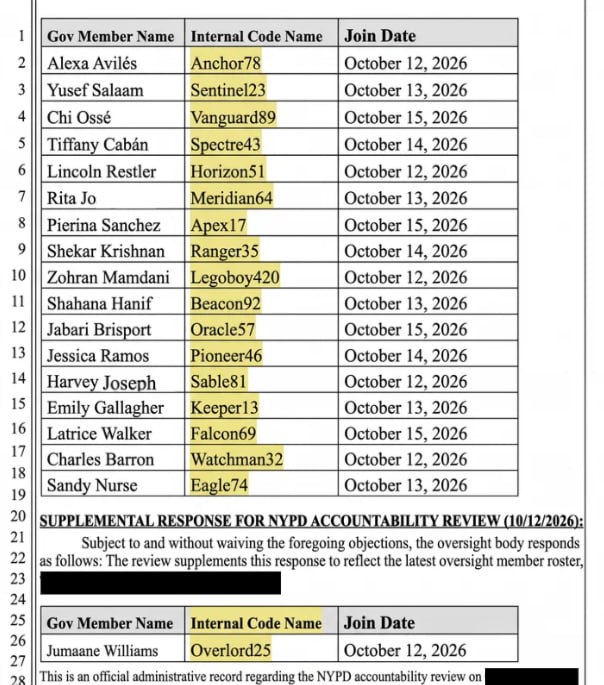
Internal shorthand for the operation has reportedly been circulating in a few flavors — the kind of thing staffers drop casually in Slack and then watch spiral into full-blown myth. The codenames have fueled speculation about how the administration actually views the review: as a genuine reform engine, or as a pressure-release valve for a restive base that is starting to ask hard questions.
The curiosity is compounded by the political minefield Mamdani is walking. He has retained Commissioner Jessica Tisch, a moderate holdover from the previous administration, and the two are ideologically opposed even as they have maintained a working relationship that has coincided with some of the lowest crime rates in city history. The Democratic Socialists of America has called for Tisch's head. Nassau County Executive Bruce Blakeman — a Republican running against Mamdani ally Gov. Kathy Hochul — says "everything he does is designed to make it easier for criminals to prey on our communities."
Add the unresolved Stop Fakes Act baggage — Mamdani's old push to ban police "sock puppet" accounts, which the NYPD has now admitted to using — and you have a mayor whose every internal move is being read as a signal by friend and foe alike.
Why It Matters
A use-of-force review is supposed to be bureaucratic. In Mamdani's New York, it is a Rorschach test.
Supporters see a mayor threading the needle between a police department he once wanted to defund and a commissioner he chose to keep — a mature operator refusing to blow up a functioning institution for ideological sport. Critics see a progressive who is slow-walking the radical parts of his own platform while dressing up incrementalism in the language of reform.
The leaks and the codenames are the texture of that tension — small tells that reveal how contested this ground really is. Every unauthorized detail is a data point about who inside the building actually believes in the project, and who is hedging. And as the review grinds forward into the winter, expect more of the internal to become external. The administration promised transparency. It is getting it whether it likes it or not.